

Gene Therapy and DNA Editing. Humanoid Robots and Intelligent Automation
In 2026, the global innovation ecosystem is characterised by the accelerated development of high-tech domains with the potential to transform the economy, industry, and society. Among the leading trends are biotechnology, robotics, artificial intelligence, and autonomous systems, which are increasingly evolving in synergy.
Gene therapy and DNA editing technologies, including CRISPR-based solutions, are entering a phase of real clinical application. They create opportunities for treating a wide range of severe and rare diseases through the direct correction of genetic defects.
There is a growing advancement of so-called in vivo therapies, where intervention is performed directly within the human body, as well as the integration of artificial intelligence to enhance the precision and efficiency of these processes.
This field holds significant potential for the development of personalised medicine and the emergence of new high-tech industries, while also raising important ethical and regulatory considerations.
Gene therapy is a method that uses one or more genes to treat, prevent, or cure a disease or medical condition. It often works by introducing a new gene or replacing a defective or missing gene in a patient’s cells with a healthy version. Both inherited genetic disorders (e.g. haemophilia and sickle cell disease) and acquired conditions (e.g. leukaemia) are being treated through gene therapy.
According to the U.S. Food and Drug Administration (FDA), gene therapy is an approach for modifying genes to treat or cure disease, while the European Medicines Agency (EMA) classifies it as a type of advanced therapy medicinal product.
Humanoid Robots and Intelligent Automation
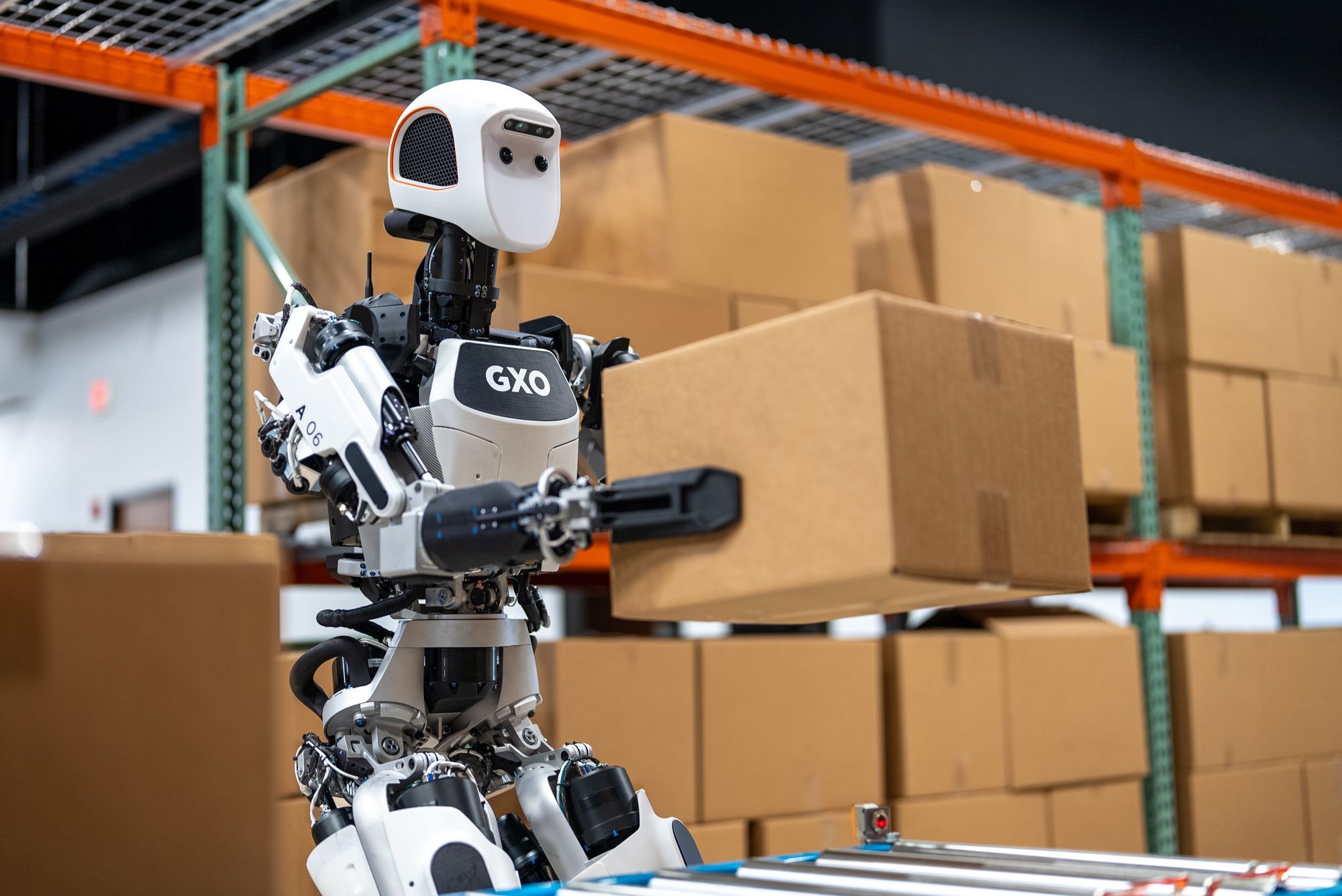
Humanoid robots are emerging as one of the most rapidly developing areas in robotics. New generations of systems demonstrate the ability to operate in real-world environments—manipulating objects, performing complex tasks, and interacting with humans.
A key driver of progress is the integration of robotics, artificial intelligence, and machine vision systems. This enables increased autonomy and adaptability of robots in both industrial and service applications.
These technologies are expected to find widespread application in manufacturing, logistics, healthcare, and services, while challenges related to safety, cost, and regulation remain.
Intelligent automation builds upon traditional automation by incorporating artificial intelligence algorithms that enable systems to adapt, make decisions, and learn from data. This significantly expands its application across industry, healthcare, logistics, and services.
The development of these technologies has the potential to increase productivity, optimise costs, and create new opportunities for innovation, while reshaping the interaction between humans and machines. They are a key component of Industry 4.0 and the digital transformation of the economy.
Autonomous Systems and Security Technologies
The development of autonomous systems, including in the fields of security and defence, is accelerating significantly. Modern technologies enable automated object recognition, data analysis, and real-time decision-making.
Full autonomy remains limited at present; however, there is widespread deployment of semi-autonomous systems, particularly in unmanned aerial vehicles and defence technologies.
This field has strategic importance for national and international security, while also raising critical issues related to ethics, international law, and the need for appropriate regulation.
These technological domains clearly illustrate the trend toward convergence between biotechnology, artificial intelligence, and engineering solutions. They underpin the next wave of innovation with high potential for economic impact.
In this context, support for high-tech projects, the promotion of applied research and development, and the strengthening of links with European and international innovation initiatives are of key importance for enhancing competitiveness and ensuring sustainable development.